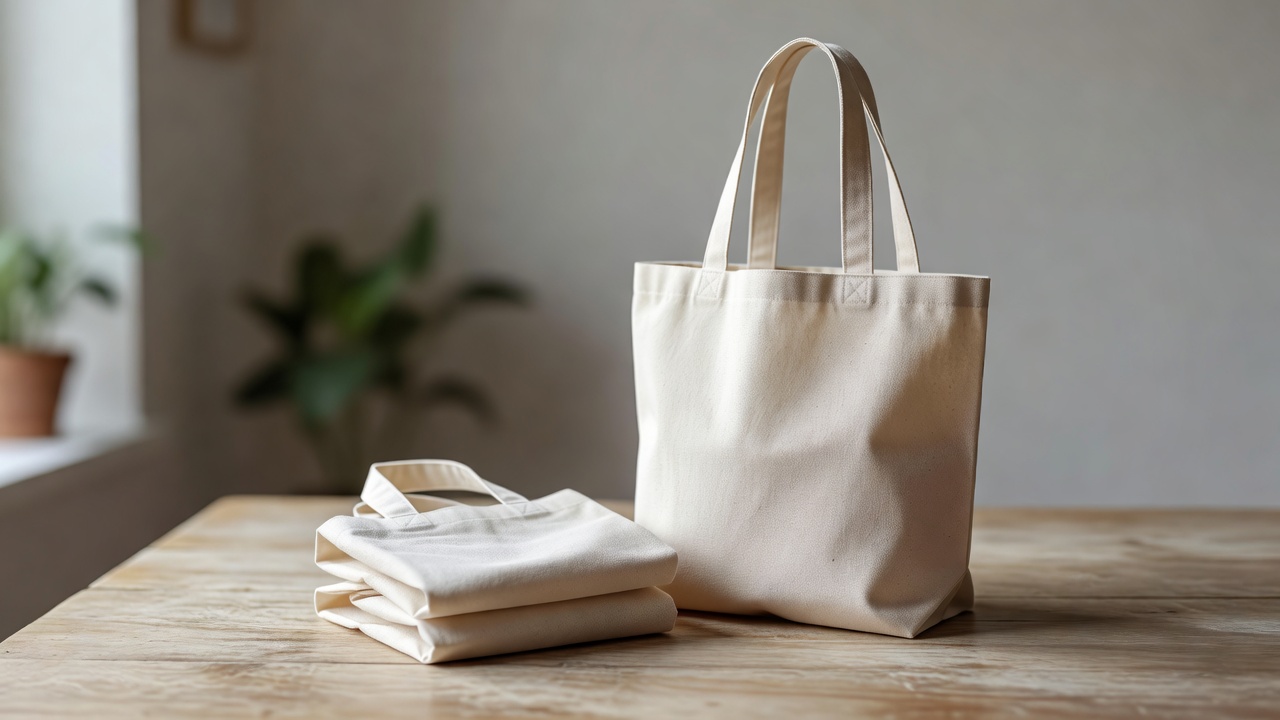
Begin with the bags you already have
Gather the bags from drawers, coat pockets and the back of the cupboard. Check handles, seams and any care labels. Sort them by real jobs: a compact spare for an unexpected purchase, a comfortable everyday carrier and a larger option for a planned grocery trip. You may already have everything you need.
There is no need to replace a usable synthetic bag with a cotton one simply to make the collection look consistent. New production has impacts, and a material name does not tell the whole story. Keeping a suitable bag in circulation is a more grounded starting point than buying another reusable item to join an unused pile.
Choose for the journey, not the photograph
Walk through a typical trip. If you carry shopping on foot, handle length and pressure on your hands matter. On public transport, a bag that closes may keep contents manageable. For a bicycle, use a secure carrier arrangement suitable for the bike; do not hang loose bags where they could interfere with steering or wheels.
A large bag can be tempting to overfill. Check the manufacturer's load guidance where available and keep the weight comfortable for you. Two balanced, modest loads may be easier than one oversized tote. If a folding bag is difficult to return to its pouch, fold it simply instead of letting a fussy storage method become the reason it stays at home.
Understand material trade-offs
Cotton and other cloth bags can be comfortable and washable, subject to their care instructions. Thick fabric takes more space and can dry slowly. A sturdy cloth bag may last well, but it still needs repeated use to justify making and maintaining it. Decorative prints, trims and mixed components can also affect care and end-of-life options.
Woven polypropylene bags often provide structure and useful capacity. They are not automatically machine washable, and coated versions may need gentle cleaning. Lightweight synthetic foldable bags pack small and can work well as everyday spares, although thin fabric and narrow handles may be less comfortable for heavy loads. Individual construction matters more than broad material stereotypes.
Build a reliable bag loop
Attach a reminder
Put a clean bag beside your keys, shopping list or usual work bag. Choose one place that reliably belongs to the next journey.
Check and reset
Inspect for leaks, dirt and damaged seams. Clean if needed and return dry bags to the starting point.
Keep a spare
A compact spare can help with unplanned purchases. Use one you own rather than collecting extras.
Plan for food hygiene
Separate items that could leak, especially raw meat, poultry or fish, from ready-to-eat food. Use appropriate leak-resistant packaging and follow local food-safety advice. A reusable outer bag does not remove the need for safe food handling. If a bag becomes contaminated, clean it according to suitable hygiene guidance and its care instructions before reuse.
Inspect grocery bags after each trip. Wash or wipe them as the manufacturer directs, and dry them fully before folding. Do not store damp bags in an enclosed boot or cupboard. Insulated shopping bags also need attention to seams and linings, and they do not replace proper refrigeration or a safe plan for transporting chilled food.
Be cautious with break-even claims
A claim that a bag must be used a particular number of times depends on what is being measured and compared. Climate impact is not the same as water use, litter risk or every other environmental concern. Bag weight, manufacturing, washing and the assumed reuse of the alternative all affect the calculation.
The United Nations Environment Programme review of shopping-bag life-cycle assessments is a useful introduction to these boundaries. Its wider lesson is to examine assumptions rather than turn a study-specific number into a rule for every household. We do not assign a universal reuse target here.
Repair what can return to use
A small seam opening may be repairable if the fabric is sound and the repair can safely support the intended load. Retire a bag from carrying heavy groceries if its handles or fabric are unreliable. Where practical, a damaged bag might serve as non-food storage, but keeping unusable items indefinitely is not a requirement of low-waste living.
Judge your system by what happens on ordinary shopping days. Are the bags with you? Is the load comfortable? Do clean bags return to the right place? If those answers improve, the routine is working without needing a new collection or a perfect record.